Simple, efficient methods for everyday dishwashing that save time, water, and effort while keeping your kitchen spotless
A good daily dish routine makes kitchen cleanup faster and easier. By following simple steps in the right order, you can wash dishes more efficiently and use less water and soap.
The key is consistency. When dishwashing becomes part of your daily rhythm, it stops feeling like a chore. You'll spend less time scrubbing and more time enjoying your clean kitchen.
Washing dishes in the proper order makes the job easier and more hygienic. Start with lightly soiled items like glasses and work your way up to heavily soiled pots and pans.
This approach keeps your wash water cleaner for longer and prevents spreading grease from one item to another. Your dishes come out cleaner, and you use less soap and water overall.
Pre-rinsing dishes promptly after use prevents food from drying on. A quick rinse takes just seconds but can save minutes of scrubbing later. Make it a habit to rinse plates right after meals.
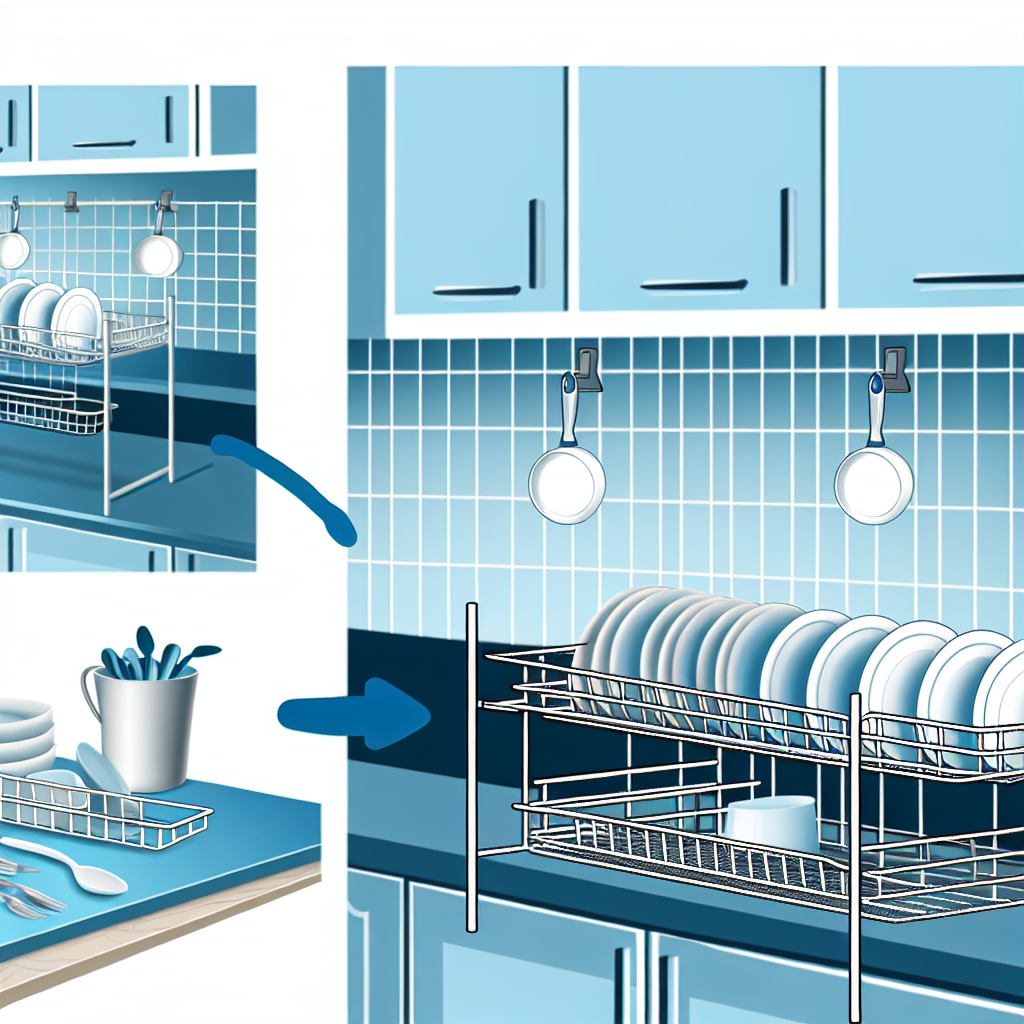
Follow these simple steps for efficient, effective dishwashing every time
Remove leftover food from dishes and give them a quick rinse with cold water. This prevents food from drying and makes washing easier.
Fill your sink or basin with warm water and add a small amount of dish soap. Don't use too much - a little goes a long way.
Start with glasses, cups, and silverware. These items are usually the least dirty and wash quickly with minimal effort.
Move on to plates, bowls, and serving dishes. Use a clean sponge or brush to wash both sides thoroughly.
Finish with pots, pans, and baking dishes. These may need extra scrubbing, so save them for last when you have fresh energy.
Rinse all items with clean water to remove soap residue. Air dry on a rack or hand dry with a clean towel.
Small habits that make a big difference in your dishwashing routine
Warm water cleans effectively without wasting energy. Save hot water for tough, greasy items only.
Change your dish sponge every 1-2 weeks to prevent bacteria buildup. A fresh sponge cleans better too.
Don't let dishes pile up. Washing them right after meals prevents dried-on food and reduces total time spent cleaning.
Fill a basin instead of running water continuously. This simple change can cut water usage in half.
For pots with stuck-on food, fill with warm soapy water and let soak while you wash other items. They'll scrub clean easily after.
Use a fresh dish towel each day and wash used ones regularly. This prevents musty odors and keeps drying hygienic.