Notification
27 King Street, Lancaster LA1 1RE, United Kingdom

Simple Kitchen Hygiene Habits

Build healthy practices that protect your household and create a clean cooking environment

Why Kitchen Hygiene Matters

The kitchen sink area is one of the most used spaces in your home, but it can also harbor more bacteria than other areas if not properly maintained. Good hygiene habits protect your family's health.

Simple daily practices make a huge difference. Regular cleaning, proper tool care, and mindful habits prevent bacteria growth and create a safer food preparation environment.

You don't need expensive products or complicated routines. Understanding the basics of kitchen hygiene and applying them consistently keeps your sink area clean and safe.
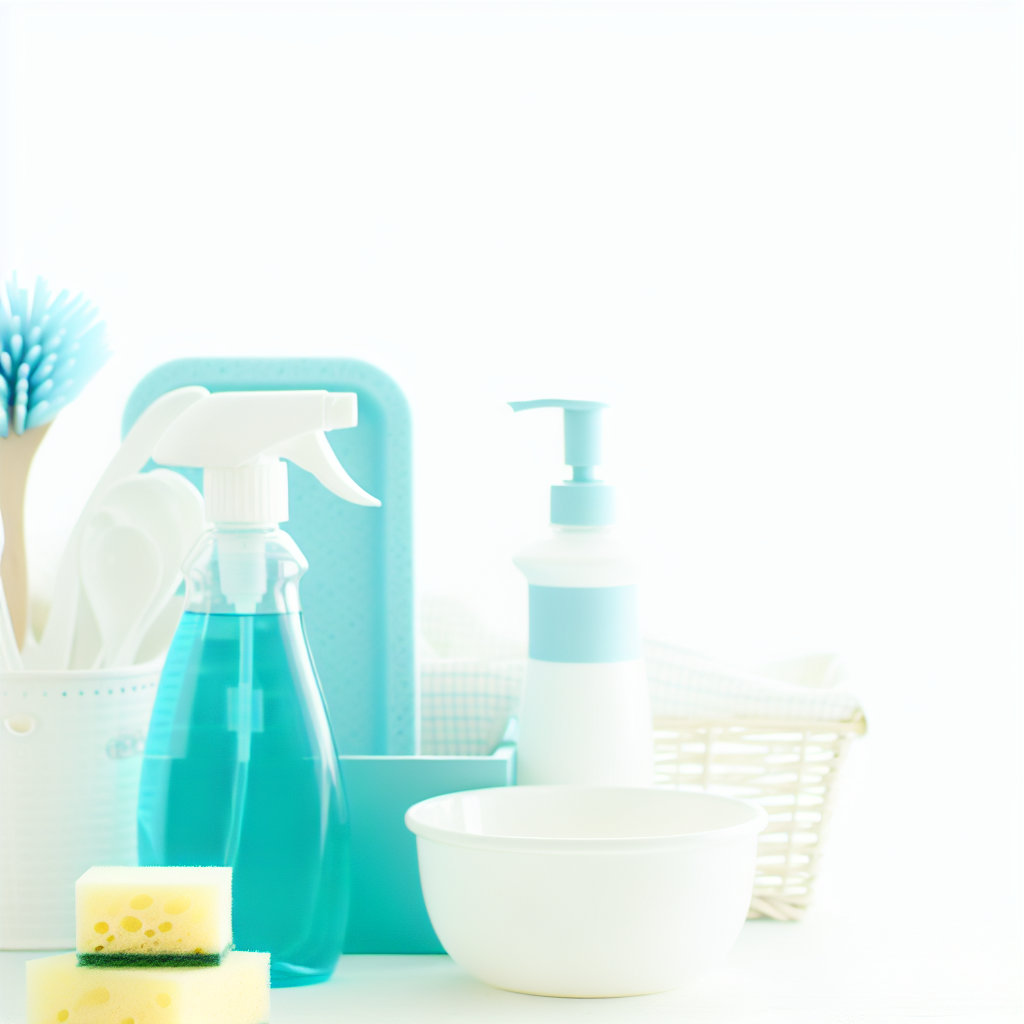
Kitchen hygiene essentials with clean sponges and organized supplies
Bacteria prevention illustration showing clean versus dirty comparison

Understanding Bacteria in the Kitchen

Kitchen sponges and dish cloths can harbor millions of bacteria if not properly cared for. These tools touch your dishes daily, so keeping them clean is essential.

Bacteria thrive in warm, moist environments - exactly what your sink area provides. Standing water, damp sponges, and food residue create perfect breeding grounds.

The good news: simple habits dramatically reduce bacteria. Replacing sponges regularly, allowing tools to dry completely, and cleaning surfaces daily keeps harmful microbes in check.

Essential Hygiene Habits

Daily practices that keep your kitchen clean and safe

๐Ÿงฝ

Proper Sponge Care

Microwave damp sponges for 1 minute daily to kill bacteria, or run them through the dishwasher. Replace every 1-2 weeks, or sooner if they smell or look worn.

๐Ÿ’ง

Dry Between Uses

Allow sponges, brushes, and dish cloths to dry completely between uses. Store them in a way that promotes air circulation rather than leaving them in the sink.

๐Ÿงด

Sanitize Weekly

Deep clean your sink with a diluted bleach solution or vinegar once a week. Don't forget the drain, faucet, and handles where bacteria accumulate.

๐Ÿ—‘๏ธ

Remove Food Waste Promptly

Clear food scraps from the sink immediately after washing up. Empty the drain strainer daily to prevent odors and bacteria growth.

๐Ÿ”„

Separate Cleaning Tools

Use different sponges or cloths for dishes and counters. This prevents cross-contamination between surfaces that contact food and those that don't.

๐Ÿ‘

Hand Washing Basics

Wash hands before and after handling dishes, especially if you've touched raw meat or eggs. Use warm water and soap for at least 20 seconds.

๐ŸŒก๏ธ

Temperature Matters

Use hot water for final rinses when washing dishes by hand. The heat helps kill bacteria and removes soap residue more effectively.

๐Ÿงน

Clean Around the Sink

Wipe down the counter around your sink daily. Water splashes carry bacteria, and damp surfaces near the sink become contamination zones.

๐Ÿšฐ

Address Mold Quickly

If you spot mold around sink edges or on grout, clean it immediately with appropriate cleaners. Mold spreads quickly in moist environments.